Saturday, 19 June 2010

soft coral - often mistaken for plants, soft corals including deep sea water fan (lciligorgia schrammi), comman sea fan (gorgonia ventalina) & the giant slit-pore sea rod (plexaurella nutans) attach themselves to a hard substrate & slowly move with the natural wave action.
sponges like the orange elephant ear (agelas clathrodes) are water filter for the reefs. they filter up to 30,000 times their body volume everyday
pillar coral - dendrogyra cylindrus (pillar corals) are beautiful & rare as their polyps are normally extended
(tubastraea coccinea) orange cup corals - they are found in oil platforms
elkhorn coral (acropora palmata) - is a branching coral. grow in the shallow areas of the reef crest & serve to break up the wave action as it come onto he reef. the branches of elkhorn coral resemble an elk's rack of antlers, thus its name
beautiful flower corals (eusmilia fastigiata)
star coral - boulder & massive corals (montastrea annularis) are the builders of the reef. a coral head is a colony of small animals called polyps. polyps the size of a pencil eraser build an external skeleton of calcium carbonate around their bodies. the wall of these skeletons form a rock-like structure. over time, as new polyps build their skeletons on top of each other, a large coral head is formed. the boulder & massive coral skeletons develop the main reef structure. coralline algae & entrusting coral glues everything together
brain coral - a reticulated brittle star lies on the ridges of brain coral
bleaching coral - this coral is a growing phenomenon for coral reefs globally. it's caused by the expulsion of the symbiotic algae, zooxanthelle, from the coral polyps. the zooxanthelle gives the coral its color & is also the source of the most of the coral's nutrients. coral can survive for a short time without the zooxanthelle but if the algae remain expelled for an extended period of the time, the coral will die
anemones coral - tiny strawberry anemones stretch their starry crowns of tentacles to catch prey from the food-rich currents
ecosystems need coral reefs...
wisely.. united as one, ecosystem needs you!
credits: livescience, wikipedia & numerous data
Friday, 4 June 2010

coral reefs are underwater structures made from calcium carbonate secreted by coral
often known as rain forests of the sea & the most diverse ecosystems on earth
corals are colonies of tiny living animals found in the marine waters containing few nutrients
most coral reefs are built from stony corals & are formed by polyps that live together in groups
the polyps secrete a hard carbonate exoskeleton which provides support & protection for the body of each polyp

reefs grow best in warm, shallow, clear, sunny & agitated waters.jpg)
reefs are home & hotel to a large variety of organisms including fish, seabirds, sponges, cnidarians (jellyfish), worms, crustaceans (shrimp, spiny lobsters, cleaner shrimp & crabs), molluscs (cephalopods), echinoderms (starfish, sea urchins & sea cucumbers), sea squirts, sea turtle & sea snakes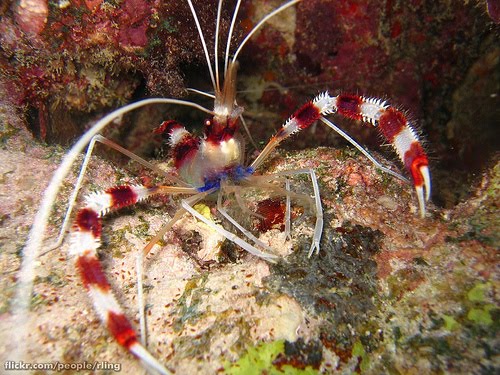
coral reefs deliver ecosystem services to tourism, fisheries & shoreline protection!
credits: livescience, wikipedia, flickr & various source